Okay, let’s talk about diri for a second. If you grew up in a Haitian household, you know exactly what I mean when I say the smell of rice cooking on the stove just hits different. It’s not just dinner. It’s a whole mood.
It’s More Than Just Rice
I don’t know a single Haitian family where rice isn’t the star of the table. Doesn’t matter if it’s a random Tuesday or a big holiday, there’s a good chance diri is showing up. And it’s never just plain rice, right? It’s rice with epis worked all the way through it, thyme doing its thing, maybe some scallions, maybe some beans folded in. Everyone’s mom or grandma has her own version, and everyone swears theirs is the best (mine actually is, but I’m not biased at all).
The Memories Attached to It
Here’s the thing about diri, it’s tied to memory in a way most food isn’t. For a lot of us, it’s the smell that hit you walking into your grandmother’s kitchen. It’s the dish that meant company was coming, or that Sunday dinner was about to be an event. Rice on the stove basically meant “get comfortable, we’re eating good today.”
Why We Made Our Own
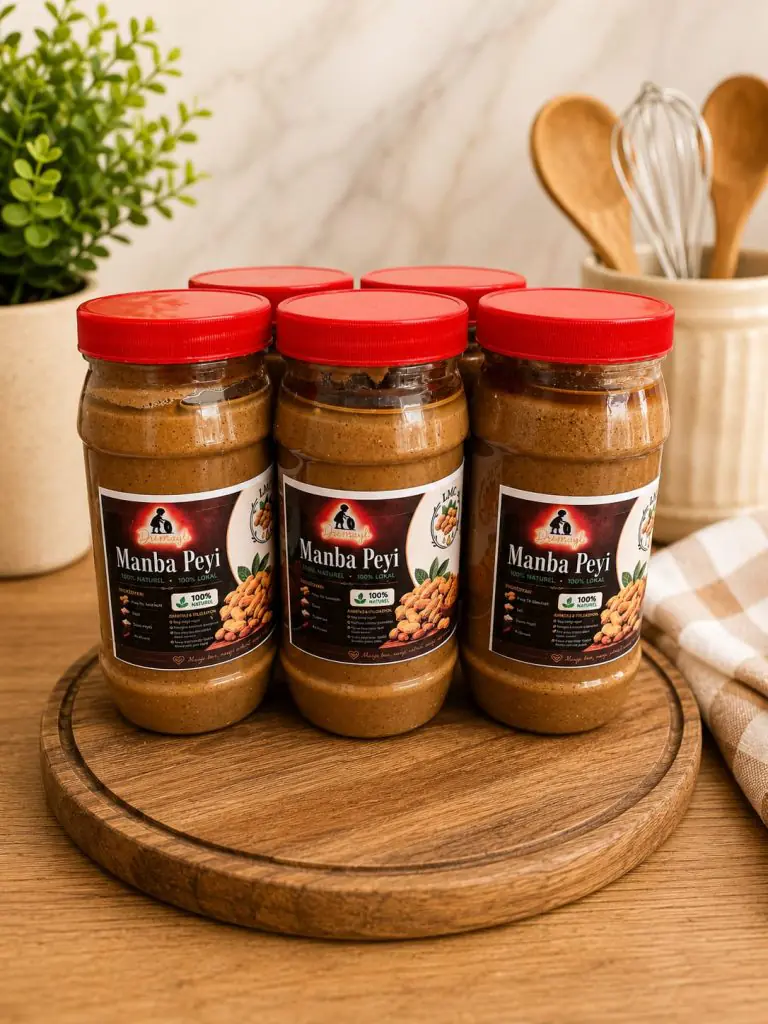
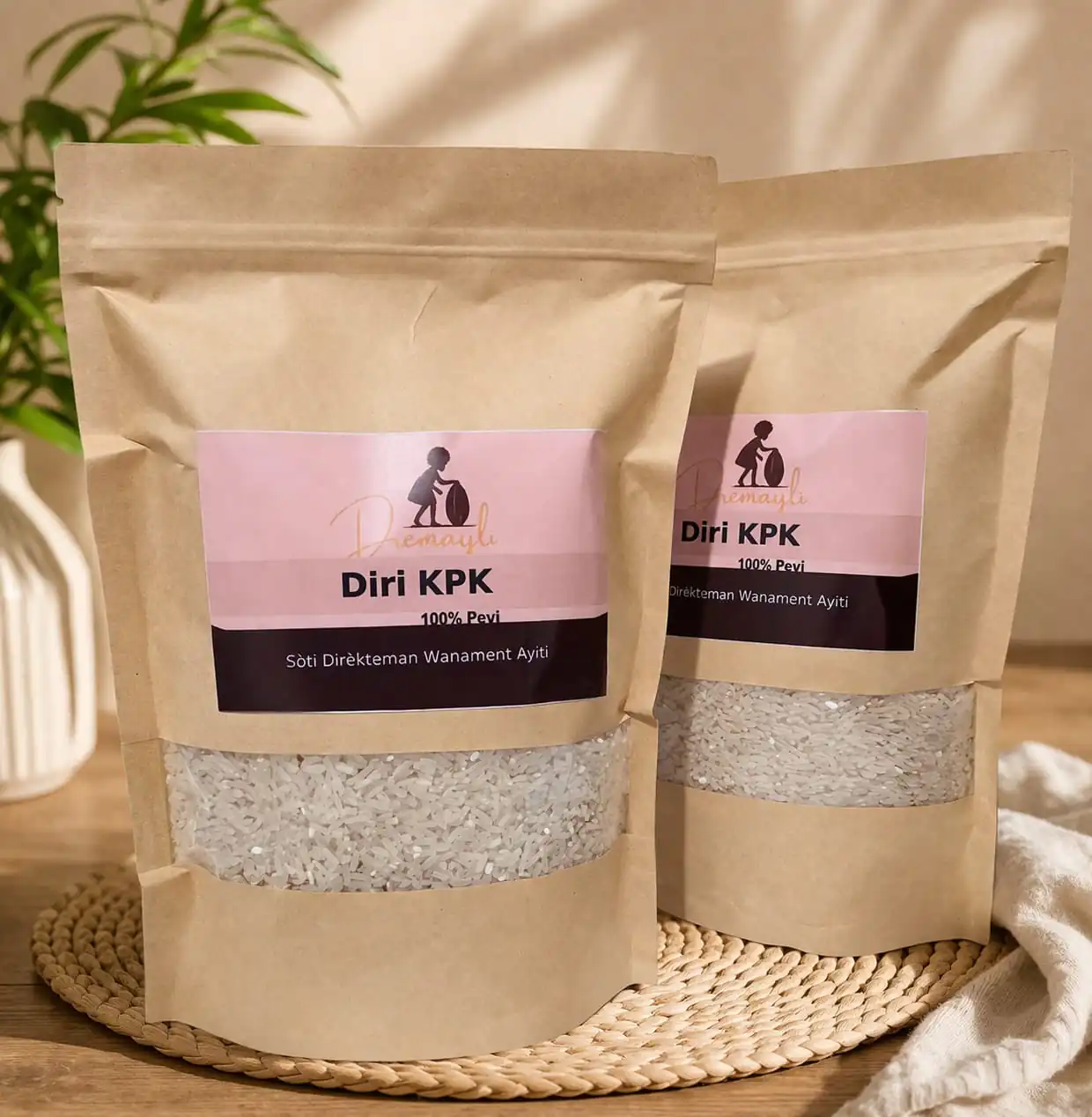
Honestly, that’s exactly why we started making diri at Drémayli. We wanted something that tasted like it came from someone’s kitchen, not a factory. Seasoned the way it’s supposed to be, so when you open the bag and cook it up, it actually reminds you of home, not just “rice that’s fine, I guess.”
So next time you’re making a pot, take a second to notice it. You’re not just cooking a side dish. You’re doing something your family’s been doing for generations.